
No products
Prices are tax included
-
-
-
-
Air Suspension
-
-
-
Air Management
-
-
-
Air Suspension
-
-
-
Air Suspension
-
-
-
Air Suspension
-
-
-
Air Suspension
-
-
-
-
Air Suspension
-
-
-
Air Suspension
-
-
-
Controller Mounts
-
-
-
-
-
-
Air Helper Spring Kits
-
-
-
Air Helper Spring Kits
-
-
-
Air Helper Spring Kits
-
-
-
Air Helper Spring Kits
-
-
-
Air Helper Spring Kits
-
-
-
-
-
Springs
-
-
-
Lowering Springs
-
Lifting Springs
-
-
-
Lowering Springs
-
-
-
Lowering Springs
-
-
-
-
-
-
-
-
-
-
-
Featured Accessories
-
-
-
-
-
-
-


A Guide to Air Line and Fittings
Ordering replacement fittings in an air suspension system can be daunting, so here's a guide to help figure out what you need.
Thread sizes
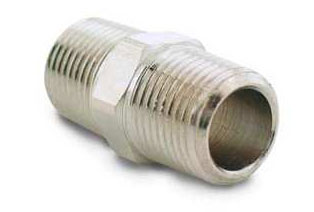
The most common thread size for air suspension is NPT (National Pipe Tapered), or sometimes BSP (British Standard Pipe). The nomenclature can be confusing because, and this is important, the thread designation does not directly correspond to the physical diameter of the thread.
NPT Thread Chart with Metric Dimensions
| Name |
Major diameter |
Drill size (minor diameter of a female thread) |
TPI (threads per inch) |
| 1/16 NPT | 7.9mm | 6.00mm | 27 |
| 1/8 NPT | 10.24mm | 8.25mm | 27 |
| 1/4 NPT | 13.62mm | 10.70mm | 18 |
| 3/8 NPT | 17.06mm | 14.10mm | 18 |
| 1/2 NPT | 21.22mm | 17.40mm | 14 |
| 3/4 NPT | 26.57mm | 22.60mm | 14 |
Note that these threads are tapered, this means that the diameter gets gradually smaller toward the end.
Other thread sizes
BSP and "G" threads are very similar in size to NPT, the two are almost identical in size, however they thread pitch (or TPI) is usually different and the two shouldn't be mixed or interchanged.
Metric pipe threads do exist, and these are generally a lot easier to measure in that the major thread diameter does actually correspond to the thread's name, so an M10 thread has a 10mm major diameter.
Fitting types
Modern systems all use push fit (or PTC - push to connect) air line fittings. These are far more convenient than the old compression style fittings.
Push fit connectors are ideal for plastic air lines and are by far the most common option. They also work just fine with softer metal lines such as copper and aluminium.
Compression fittings are still available though not generally required for most air suspension installations. These are commonly used for stainless steel hard lines, where push fits are not suitable.
Barbed fittings are also available, these are preferable when using the low pressure flexi air lines. They can be used with nylon air line as well though, and while they are hard to use they are useful for tight installations where the air line could flex a little bit near the fitting.
Air Line
With plastic air lines, the size generally refers to the outside diameter, and can be imperial or metric. Occasionally with rubber air hoses or other hoses where the fittings are crimped on, these are quoted based on the internal diameter, but for the most part we use push fit connectors so those don't really apply here.
When cutting air lines, it's very important to cut it perfectly straight and free of sharp edges. Use a proper airline cutter to get a perfectly straight and burr free cut. Side cutters and scissors tend to deform air lines which can lead to leaks.
Air Line Size
As a general rule, larger air lines can move more air, allowing the suspension to raise and lower more quickly. However, the flow tends to be restricted to the valve blocks and fittings and air spring ports rather than the air line itself. There are a couple of trade offs to running larger air line, for instance it is more difficult to route through tight spaces, and it can be less accurate when reaching preset pressures on lightweight vehicles.
We find that 1/4" air lines work well on most vehicles, however for larger saloons/estates or vans, it's worth upgrading to 3/8". 1/2" air line is very fast when used in conjunction with big solenoid valves. It's still popular with the hot rod market for this reason, but it is essentially like running a semi-rigid hose pipe through the vehicle so tends to lose favour amongst smaller and more modern cars.
Imperial to Metric air line conversion
| Imperial | Metric |
| 1/8" | 3.175mm |
| 1/4" | 6.35mm |
| 3/8" | 9.525mm |
| 1/2" | 12.7mm |
Note: Even if they look close enough, metric air lines should never be used with imperial fittings!
There are many types of air line:
Plastic Lines
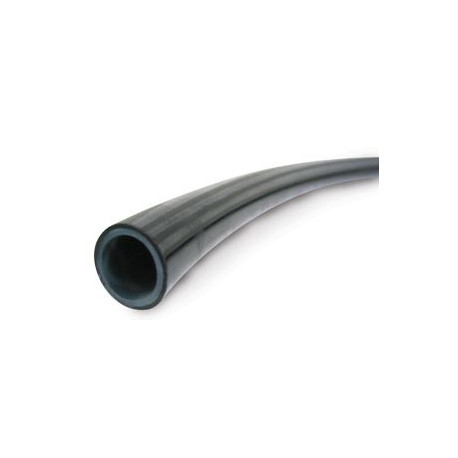
Nylon and Polyurethane are the most common due to their ease of use. It is crucial when buying air line for air suspension to ensure that they meet the relevant standards. The most common type is SAE J844, often referred to as DOT approved air line. There are cheaper, non approved versions around, so take care when ordering. All of the nylon air lines we sell meet these standards.
Hard Lines
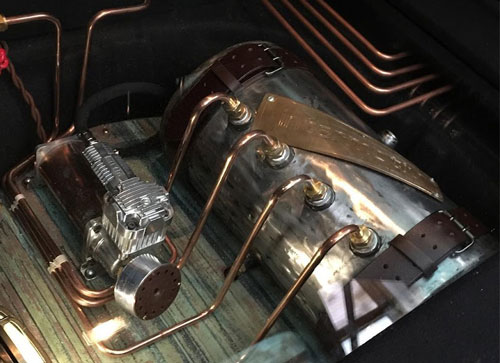
Copper and aluminium are great for show builds, however we generally advise running nylon air lines where possible. Hard lines look great, though they can be a little more prone to leaks. Stainless steel air line is available as well, this is great for longevity because the air lines are very hard and don't lose their shine, however stainless steel generally cannot be used with push fit connectors.
Hard lines can be painted too, though care must be taken not to paint the ends where they enter into push fit connectors.
When using hard lines, you'll probably want some suitable tooling, such as a proper pipe cutter, pipe bender and pipe straightener. It's important to make sure that all of the tooling matches the diameter of the air line to achieve good results. And be warned - complicated hard line setups can be time consuming and very frustrating!
Braided Lines
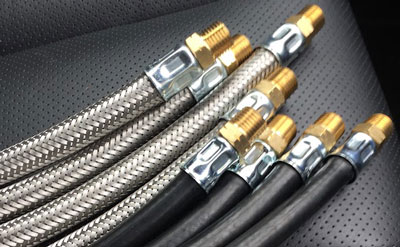
Braided leader lines, though not strictly critical, are often used when routing from the chassis to moving suspension components. On MacPherson strut setups they are recommended, as the strut rotates as well as moving vertically. It is neither practical nor necessary to run braided lines all the way through the vehicle. As such braided lines are generally around 18" long, and terminated with a push fit connector on the chassis side to connect to the plastic line. It is possible to have custom lengths and fittings for braided lines too.
Thread sealants
Tapered threads such as NPT seal on the threads themselves, and generally require a thread sealant. PTFE tape is commonly used, though liquid thread sealants are available, the choice is generally a matter of personal preference. Care should be taken not to apply excessive sealant, particularly near valves or manifolds where loose material could enter the air system.
In some cases, mechanical seals such as O rings or sealing washers are used, though these tend to be applied to more specialist applications.